NDIS Occupational Therapy
Occupational Therapy That Builds Skills, Participation, and Independence
People Centred Therapies provides individualised occupational therapy focused on helping NDIS participants participate more fully in everyday life.
Our occupational therapists work with participants, families, carers, and support teams to understand how disability affects daily activities, identify practical supports, and develop recommendations connected to the participant’s goals and circumstances.
Why Occupational Therapy Matters

Everyday activities can become more difficult when a person experiences physical, cognitive, sensory, psychological, developmental, or environmental barriers.
Occupational therapy considers how the person, the activity, and the environment interact. This helps identify what is limiting participation and what changes may support the participant to complete meaningful activities with greater safety, confidence, choice, and independence.
Our focus is not simply on completing assessments or producing reports. We aim to understand what matters to the participant and identify practical ways to support their participation in everyday life.
How We Deliver Occupational Therapy
-
We begin by learning about the participant’s strengths, goals, preferences, routines, support needs, and the activities they want or need to complete.
-
We consider how the participant completes activities across relevant environments, including their home, community, education, employment, and other everyday settings.
Assessment may include consultation, observation, record review, and appropriate standardised and non-standardised assessment methods.
-
Recommendations are based on the participant’s functional needs, goals, circumstances, available supports, and everyday environment.
We explain recommendations clearly and focus on options that are practical and achievable.
-
Where included in the service, we work with the participant and their support network to implement recommendations, build skills, review progress, and adapt the approach when circumstances change.
Our Occupational Therapy Services
PCT provides a range of occupational therapy assessments and interventions based on the participant’s functional needs, goals, and circumstances.
Select a service below to learn more about what it involves, who it may support, and what to expect.
The cornerstone of PCT’s occupational therapy services, focused on developing practical skills, building effective routines, and increasing meaningful participation in everyday life. Progress is measured and may be documented through an NDIS Occupational Therapy Outcomes Report.
Capacity-Building Occupational Therapy and Outcomes Reporting
Functional Capacity Assessments
A comprehensive assessment of how disability affects a participant’s everyday functioning, participation, support needs, and independence.
Home and Living Assessments
Assessment of a participant’s current or proposed living arrangements, daily support requirements, environmental needs, and opportunities to build independence.
Assistive Technology Assessments
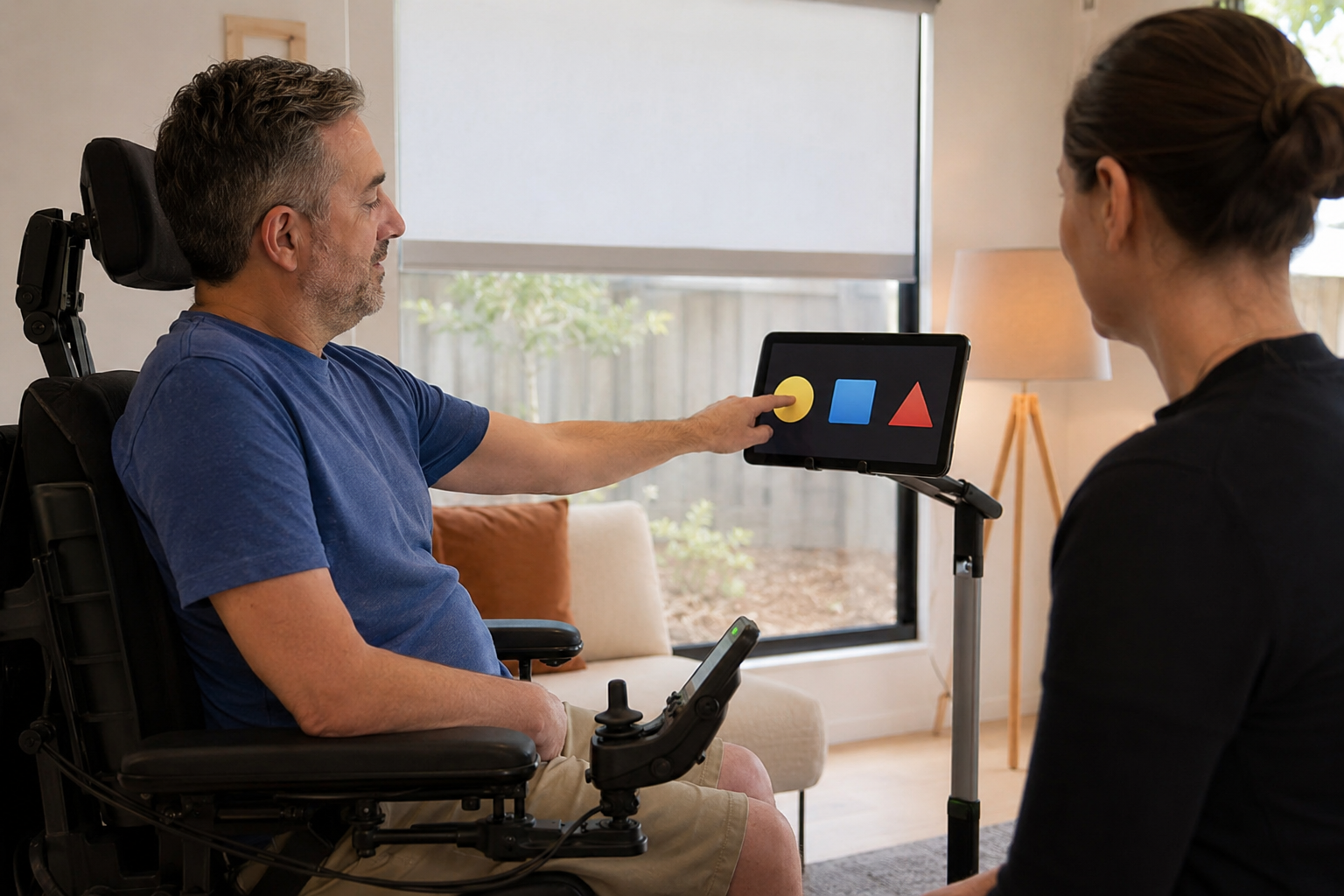
Assessment, trial, and recommendation of equipment or technology intended to improve safety, independence, access, or participation.
Assessment of how sensory processing differences may affect a participant’s regulation, everyday activities, relationships, and participation across home, community, education, or employment settings.
Recommendations may include practical sensory strategies, environmental adjustments, and guidance for the participant and their support network.
Sensory Assessments
Occupational Therapy Driving Assessments
Assessment of how a medical condition, disability, or injury may affect a person’s ability to drive safely and independently.
How Occupational Therapy May Help
Occupational therapy may be appropriate when disability affects a participant’s ability to:
Complete personal care and other daily living activities
Prepare meals and complete household tasks
Establish and maintain everyday routines
Access the community
Participate in education, employment, or volunteering
Develop social and community participation skills
Manage sensory or environmental barriers
Use assistive technology or specialised equipment
Live safely and independently at home
Plan for changes in living arrangements
Develop or maintain driving-related skills
Communicate their functional abilities and support needs
What to Expect From PCT Occupational Therapy
Step 1: Submit a Referral
Complete the referral form with information about the participant, the requested occupational therapy service, and the location in which support is required.
Step 2: We Review the Referral
Our team reviews the information provided and contacts the nominated person to discuss service suitability, availability, and the next steps.
Step 3: Initial Consultation
The occupational therapist meets with the participant and, where appropriate, relevant members of their support network to gather information and confirm the purpose of the service.\
Step 4: Assessment or Intervention
The occupational therapist completes the agreed assessment or intervention using methods appropriate to the participant, their goals, and the purpose of the service.
Step 5: Recommendations and Next Steps
Relevant findings, recommendations, and next steps are discussed with the participant and their support network. A written report is prepared where this forms part of the agreed service.
Occupational Therapy Service Areas
People Centred Therapies provides community-based occupational therapy across Greater Brisbane and selected surrounding areas, including Ipswich, Logan, Toowoomba, and the Gold Coast.
Availability varies according to the participant’s location, the requested service, and clinician capacity.
Looking for NDIS Occupational Therapy?
Complete our referral form to tell us about the participant, the occupational therapy service being requested, and the location in which support is required.
Our team will review the referral and contact the nominated person to discuss availability and the next steps.